The Evolution and Core Mechanics of Live Casino Dealing
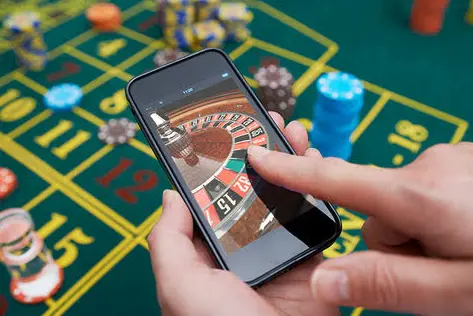
Live casino dealing has fundamentally transformed the remote gambling landscape, bridging the tactile authenticity of a brick-and-mortar establishment with the convenience of digital play. Unlike algorithmic random number generators, this format relies on real human croupiers operating physical equipment in a broadcast studio. 🎲 This real-time interaction creates a psychological trust factor that pure software cannot replicate. The dealer shuffles, spins, and deals in front of a live camera, streaming via high-definition video with sub-second latency. Players can chat with the dealer and other participants, creating a social atmosphere. The technological backbone involves RFID-enabled tables, multiple camera angles, and optical character recognition to ensure accurate game state transmission. This is not merely a game; it is a Live Casino Dealing ecosystem where precision meets entertainment. Operators must adhere to strict jurisdictional regulations, ensuring every card dealt and every wheel spun complies with fair play standards.
Operational Protocols and Dealer Training Standards
Professional live casino dealing requires rigorous training that far exceeds standard customer service roles. Dealers must master game mechanics for blackjack, roulette, baccarat, and poker variants while maintaining flawless chip handling and card presentation. They undergo extensive instruction in camera awareness, verbal clarity, and dispute resolution. A single misdeal or incorrect payout can trigger regulatory penalties and reputational damage. 🎰 The best studios employ former land-based croupiers who bring years of experience. They work in rotating shifts to maintain focus, supported by floor managers who monitor tables remotely. The dealing process is governed by internal control systems that log every action. This level of oversight ensures that the Live Casino Dealing environment remains transparent. Players can request hand histories, and regulators conduct surprise audits. The dealer is not just a host; they are the guarantor of game integrity.
Technological Infrastructure and Streaming Latency
The technical architecture behind live casino dealing is a marvel of modern engineering. Studios are equipped with redundant fiber-optic connections, backup power generators, and multi-camera setups that capture every angle. Video encoding uses adaptive bitrate streaming to accommodate varying internet speeds. Latency is minimized through edge computing and content delivery networks. Some platforms now offer 4K resolution and virtual reality integration, allowing players to sit at a virtual table with a live dealer. 📡 The software layer includes bet timing mechanisms, chat moderation, and anti-fraud algorithms. When a player places a bet, the system validates funds instantly and transmits the action to the dealer's terminal. The dealer then executes the game action. This seamless loop is what makes live casino dealing so immersive. Without robust infrastructure, the illusion of proximity collapses. Hence, operators invest heavily in research and development to shave milliseconds off transmission times.

Regulatory Compliance and Responsible Gambling Integration
Live casino dealing operates under a microscope of regulatory scrutiny. Licensing bodies such as the Malta Gaming Authority and the UK Gambling Commission impose strict technical standards. Studios must implement geolocation blocking, age verification, and self-exclusion tools. Dealers are trained to recognize signs of problem gambling and escalate to support teams. The dealing environment is monitored for collusion and money laundering. 🛡️ Every transaction is encrypted and stored for audit trails. Operators must also provide clear game rules and odds disclosures. The presence of a live dealer adds a layer of accountability because human actions are recorded and reviewable. This transparency builds player confidence. In emerging markets, live casino dealing is often the first product to receive regulatory approval because it mimics land-based oversight. The future will likely see AI-assisted monitoring that flags irregular dealing patterns in real time, further protecting all stakeholders.
Strategic Advantages for Players and Operators
For players, live casino dealing offers higher engagement and lower perceived risk of software manipulation. The social element reduces the isolation of online play. For operators, it increases session length and average spend per user. The production cost is offset by premium table limits and exclusive VIP rooms. 🎯 Operators can differentiate through unique game variants, native-speaking dealers, and themed studios. The dealing staff becomes a brand ambassador. A charismatic dealer can build a loyal following. This human connection is the ultimate competitive advantage. As technology advances, we may see holographic dealers or biometric authentication for high rollers. The core principle remains: trust through transparency. Live casino dealing is not a fad; it is the maturation of online gambling into a credible, regulated, and socially rich experience.